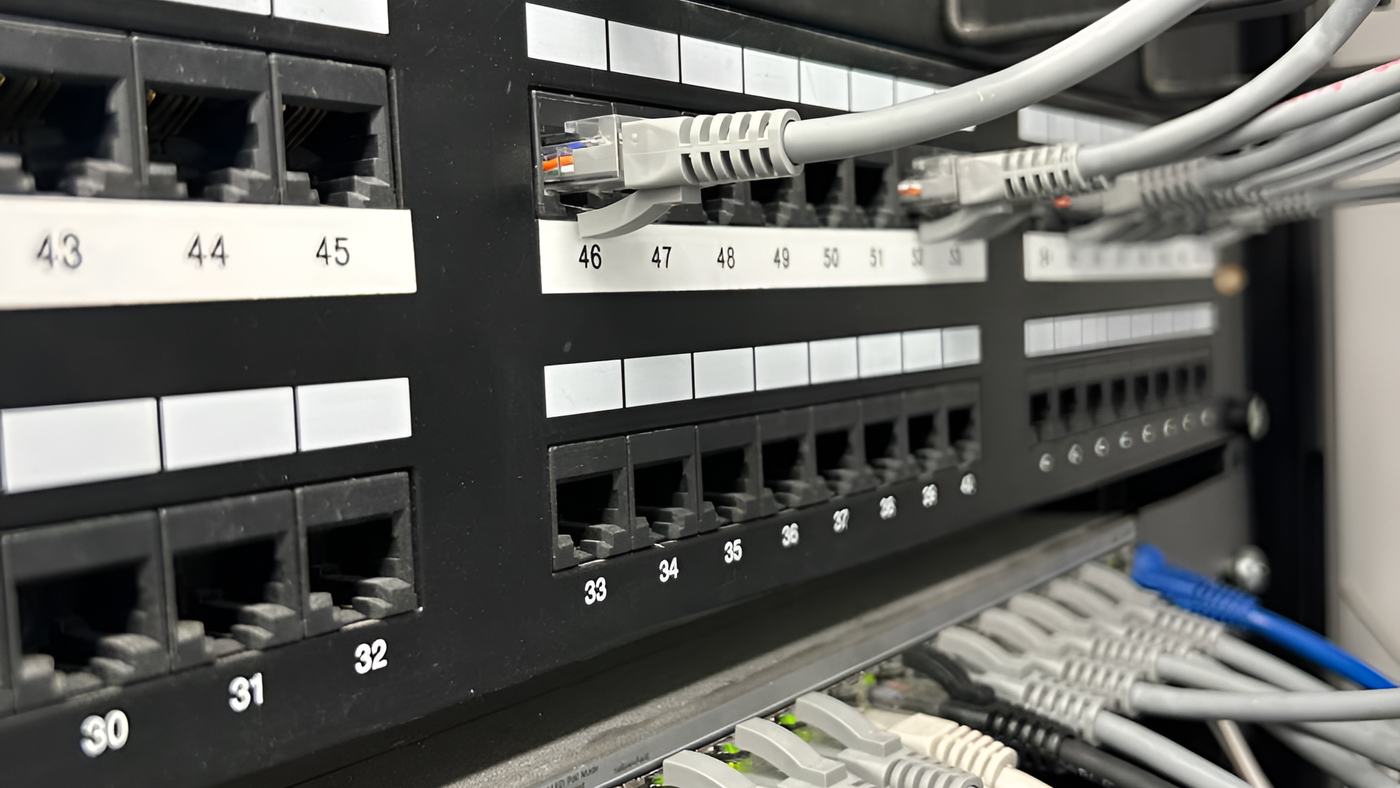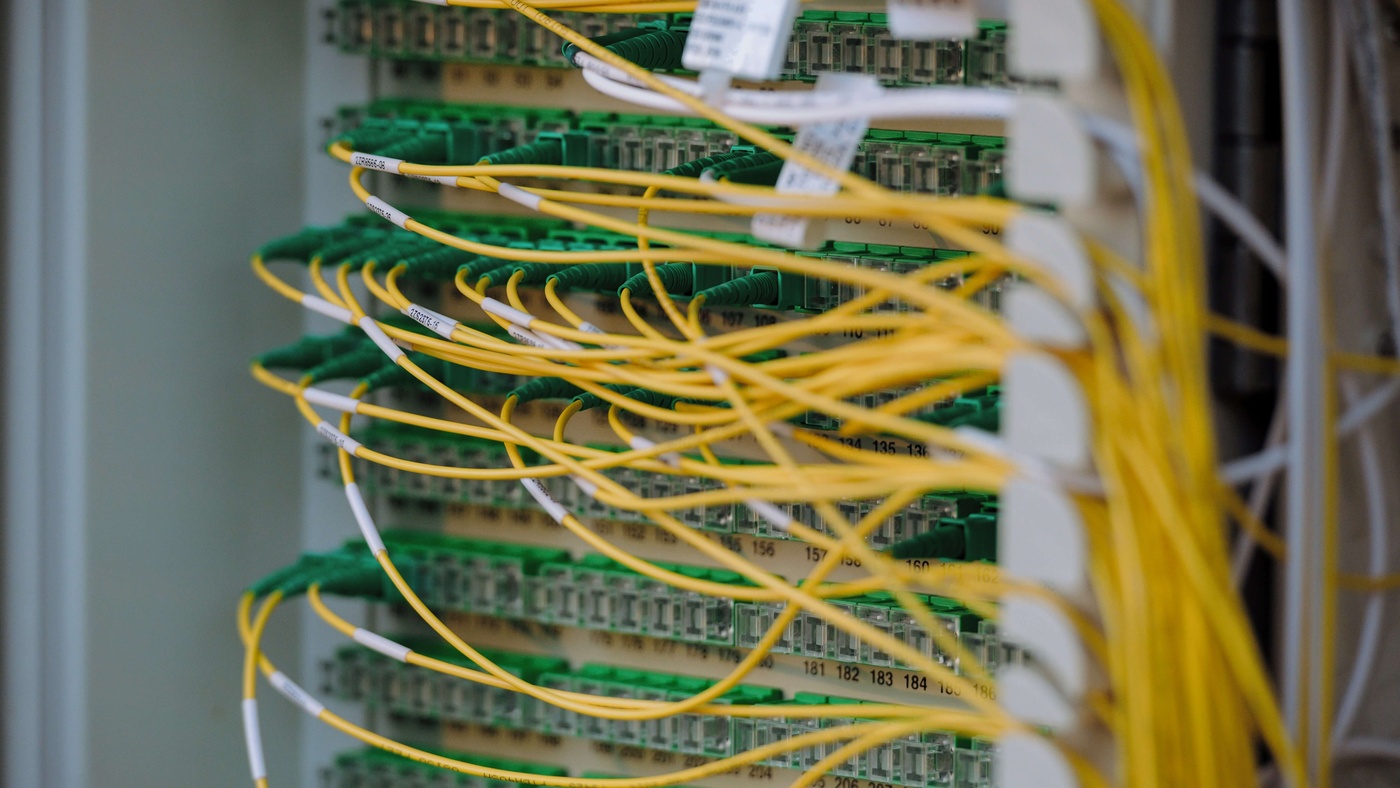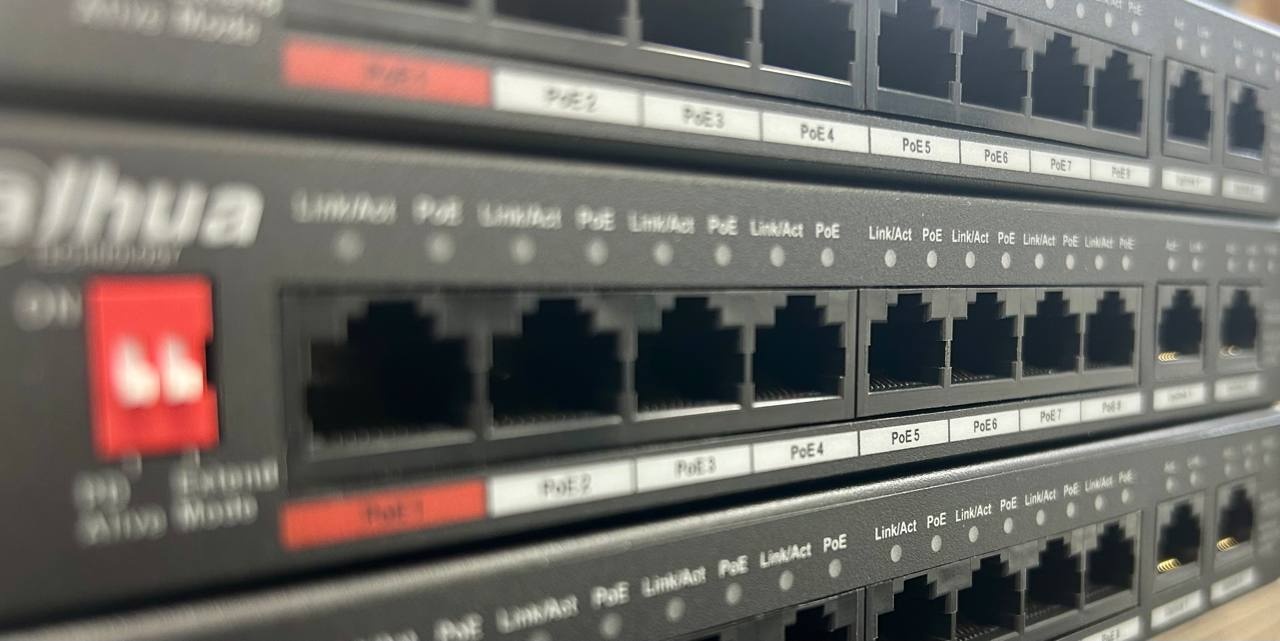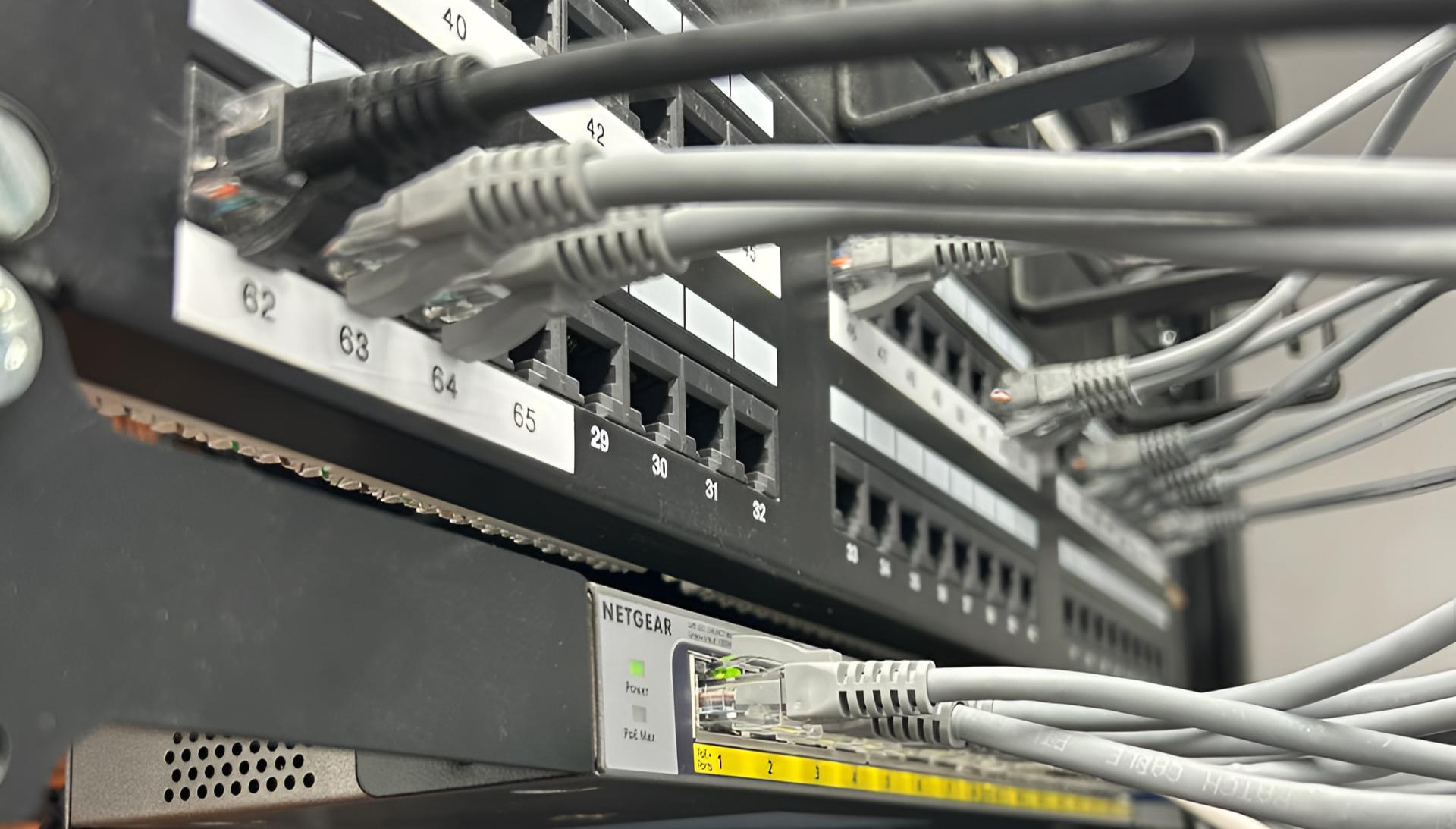
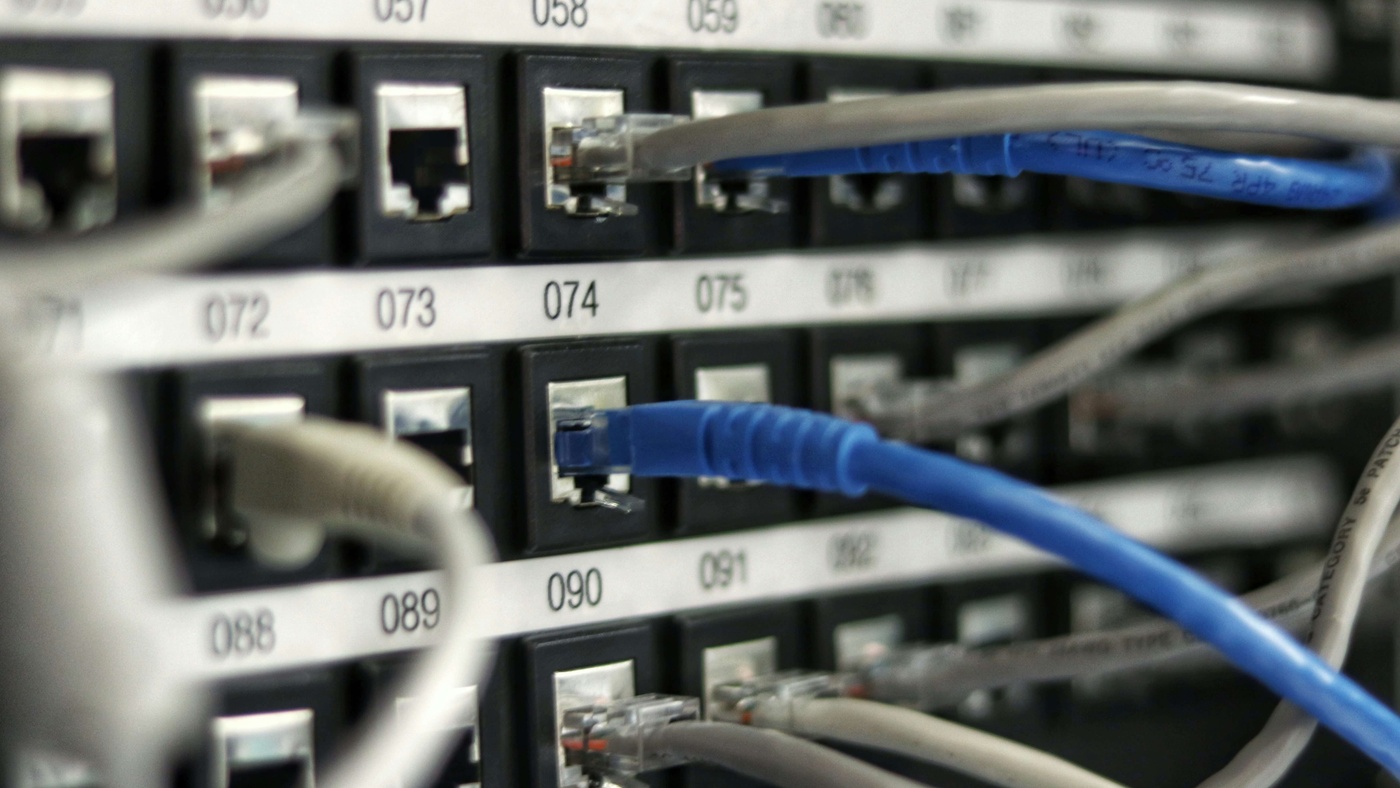
Structured cabling installation in a commercial data cabinet

Data Cabling Installation

Structured cabling for commercial premises

DACT designs and installs structured cabling for commercial premises across the UK, working with facilities managers, main contractors and M&E consultants on new build, refurbishment and multi-site rollouts. Data cabling installation is delivered as a standalone package or alongside the security and life safety systems sharing the same containment.

Structured cabling is the physical layer everything else depends on. In a modern commercial building it carries far more than data traffic — IP cameras, door entry panels, access control readers and wireless access points all run over the same infrastructure and draw power from it over PoE. Getting it wrong is expensive to correct once ceilings and risers are closed.

We design to BS EN 50173, the standard for generic cabling systems, and install to BS EN 50174, which sets the requirements for installation practice, documentation and testing. Cabling is usually installed on the same programme as the wider fire and security package.

Structured Cabling Classes and Categories

What BS EN 50173 actually specifies

BS EN 50173 defines cabling performance in classes. The Cat numbers quoted on most quotations are the component categories that deliver those classes. Specifying by class is what a consultant’s drawing will ask for.

  • Class D (Cat 5e). 100 MHz. Gigabit Ethernet to 100m. Legacy — not specified for new commercial work.
  • Class E (Cat 6). 250 MHz. Gigabit to 100m, 10 Gigabit only over shorter runs. Limited headroom for the next refresh.
  • Class EA (Cat 6A). 500 MHz. 10 Gigabit to the full 100m and support for the higher PoE classes. The current UK default for new office, healthcare and education installations.
  • Class F and FA (Cat 7, 7A). Fully shielded. Specified where electromagnetic interference is a design constraint, typically industrial environments.
  • Optical fibre. Used for backbone between floors and buildings, and wherever distance exceeds the 100m copper limit.

For most commercial buildings the answer is Cat 6A horizontal with a fibre backbone. We’ll specify against your drawings, or advise where a specification is over- or under-scoped for what the building actually needs.

image pattern

One Cabling Infrastructure, Every System

Data, security and life safety on shared containment

Structured cabling stopped being just data cabling some time ago. On a typical commercial fit-out the same infrastructure carries:

  • IP CCTV. Cameras fed and powered over Cat 6A from the floor distributor. See commercial CCTV.
  • Access control and door entry. IP readers, controllers and entry panels on the building network rather than dedicated cabling.
  • Wireless access points. Ceiling-mounted APs drawing PoE, positioned from a coverage survey rather than guesswork.
  • Communal distribution. On residential and mixed-use buildings, fibre reception systems share the same risers and containment.

Because these services share pathways, one contractor installing them together avoids the sequencing problems and repeated riser access that come from splitting the package across trades.

image pattern image pattern

Data Cabling Installation Process

Cabling is buried in the fabric of the building, so the record of what was installed matters as much as the installation.

  • Survey and design. Outlet counts, distributor positions, cable routes and containment, checked against the 100m channel limit and the class the specification requires.
  • Containment and segregation. BS EN 50174-2 sets requirements for separating data cabling from power supply cabling. We plan pathways to meet them rather than working around them afterwards.
  • Installation and termination. Cable pulling, patch panel and outlet termination, cabinet build and clear labelling to a scheme you can actually navigate later.
  • Testing and documentation. Every link tested, with results and as-built records issued at handover so future work starts from a known position.

Cabling faults are often only diagnosed when a system on top of it starts failing. Reactive support is available under the same maintenance and response tiers as the rest of your building’s systems.

image pattern

Where We Install

  • Offices and corporate fit-outs — new build and refurbishment, usually working to an M&E consultant’s specification.
  • Warehousing and industrial units — long cable runs, harsh environments and fibre backbone between buildings.
  • Education — high outlet density and dense wireless coverage across multiple blocks.
  • Healthcare and care facilities — installed alongside nurse call systems and life safety infrastructure.
  • Retail and hospitality — multi-site rollouts to a repeatable standard across an estate.

Contact Us

Need help with your security systems? We’re here to assist! Whether you have questions about system design, require expert installation, or need reliable repairs and maintenance, our team has the knowledge to help. Fill out the form or give us a call for friendly advice and support.

Content Pattern

Thank you. We will be in touch soon

There was an error with the form. Please check and try again.

This site is protected by reCAPTCHA and the Google Privacy Policy and Terms of Service apply.